Audio/Video Editing: Visual Arts Computing

Students are in the middle of their audio project (Electroacoustic audio composing) where they have to create multi-track audio compositions from sound recordings they capture in the field.  This included audio compositions that are stand alone (audio only) and supporting audio for the videos that were created in the prior project.  This student (pictured) is syncing up sounds to their video , so the final version will have the audio syncopated to the visuals in a more precise way.  Notice the thumbnail video (right) is added in Adobe Audition  (editing software) is to help as reference.

[supsystic-gallery id=24 position=center]
Mold making Process: Sculpture

[supsystic-gallery id=25 position=center]

Sculpture class just had an quick Critique to review which of their three maquettes would be used to create a two-part rubber mold.  One student was very enthusiastic about her three designs (notice the sketches too)!  The finished result is ready for resin, look for the “Parting line” post that discuses the creation of a two-part mother mold.

Parting Line: Sculpture

robot

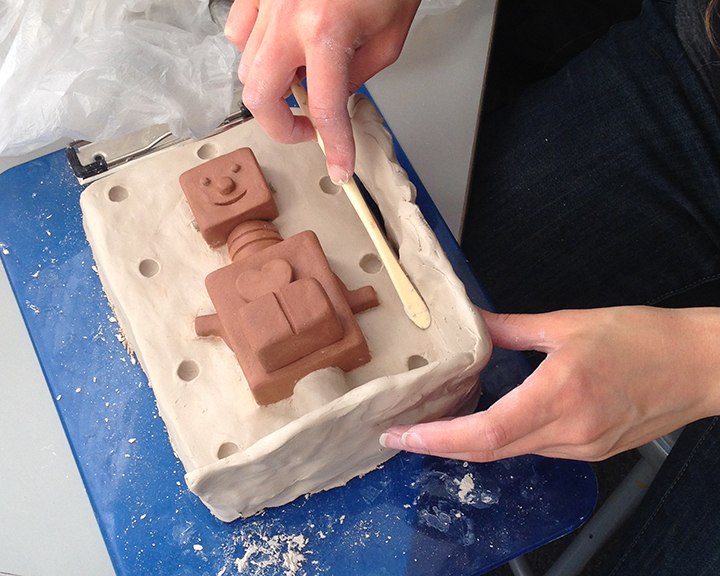
After our critique, students chose one of the three maquettes to make into a mold.  Pictured, this student has created a parting line that is exposing only half of the modeled object, key-ways & a sprew (proper spelling/pouring spout) are added and a side wall of clay so the rubber doesn’t run off the mold.  This student is almost done (after finishing the clay wall) and will add a sealant to the clay for clean release from the rubber.  Plaster is the last step after the rubber, but they will be repeating the process on the other side; hence a two-part rubber/mother mold.

Arts Festival

[supsystic-gallery id=26 position=center]

Students from the Studio Art program brought down their artwork and helped sell it at a local arts festival this past weekend.  Work ranged from painting, sculpture, ceramics, printmaking and new media digital printing.

Rubber Mold: Sculpture

[supsystic-gallery id=27 position=center]

Students started mixing rubber today (2-part/Smooth-On) and applied two coats to the one side of their mold.  After that they will be adding a final back-up layer of plaster before they flip the mold over and repeat the process on the other side.  We also explored different material options for casting into their molds.  Plaster, wax, and Smooth-On products were discussed while other materials such as chocolate and crayons were also noted alternative options.

Jepson Center: Savannah

Francis

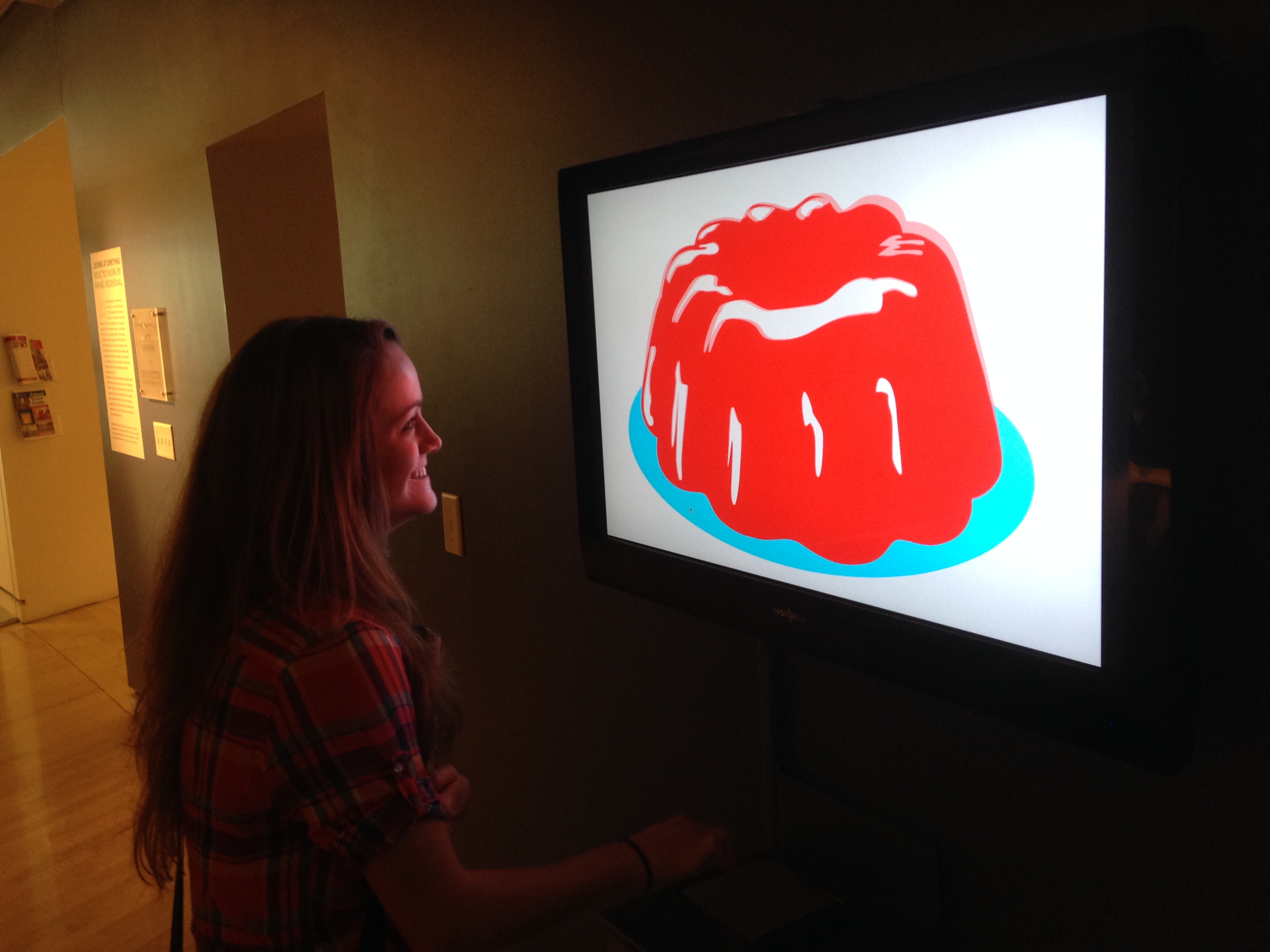
Senior Seminar visited the The Jepson Center, part of Telfair Museum system in Savannah, GA.  The image shows only one of a number of interactive artworks that employed Mac Mini’s and track pads to modify, transform or basically jiggle animated Jello.

Model and Mold Making: Sculpture

Mold Making demo consisted of understanding the different types of rubber (silicon vs. urethane) and what material cast in the mold determines which rubber is used.  This is a two-part mother mold, titled because it utilizes plaster as a support structure for the rubber.  Finally, I pointed out to my class that a master key way (3rd image, bottom left) helps orientate the mold properly.

[supsystic-gallery id=28 position=center]

Site Specific: 3D Design

A two week project that consisted of found driftwood and the use of basic hand tools.  The class was broken up into two groups as they labeled themselves as either”Team Land” or “Team Marsh.”   The only issues that arose was the tide for the group working by the water, every other day that the tide would change during the class time.

[supsystic-gallery id=30 position=center]